
What Are the Roofing Requirements and Permit Rules for Lakewood, CO?
Introduction
A Lakewood homeowner hired a roofer who finished the job in two days. Six months later, a home sale inspection flagged a missing permit — and the deal nearly fell apart. That kind of problem is avoidable. But only if you know the rules before the work starts.
This page explains exactly what the roofing requirements and permit rules for Lakewood, CO are — in plain language. At Lakewood Roofing, we've worked on roofs across the Lakewood area for years, and we've seen what happens when permits are skipped or pulled incorrectly. We'll cover when a permit is required, what the local building code says about materials, how to get the permit filed, what inspectors look for, and what to ask any roofer before you sign a contract.

What Are the Roofing Permit Requirements in Lakewood, Colorado?
In Lakewood, CO, most roofing projects require a building permit through the Lakewood Building & Safety Division. Any project where more than 25% of the total roof surface is being replaced or repaired triggers a permit requirement. Full replacements always require a permit — no exceptions. Work must comply with the International Residential Code (IRC) as adopted and amended by Colorado and the City of Lakewood. A licensed contractor is typically responsible for pulling the permit, and a final inspection is required before the job is considered closed.
Work with a
roofing contractor in Lakewood CO
who handles permits from start to finish.
When Do You Need a Roofing Permit in Lakewood, CO?
The short answer: more often than most homeowners expect.
Lakewood uses a 25% threshold. If your project replaces or repairs more than 25% of the total roof area, you need a permit. Full roof replacements always cross that line. So does most significant storm damage repair. But a small patch job — sealing a few shingles, fixing a small flashing gap — may fall below the threshold if the affected area is minor.
The rule covers both residential and commercial properties. It doesn't matter whether it's a house or a small business — if the scope meets the threshold, the permit requirement follows.
One more thing worth knowing: who pulls the permit matters. Licensed contractors are responsible for obtaining permits when they do the work. A homeowner can pull a permit on their own property, but that shifts the legal and financial responsibility to you. If something goes wrong and an unlicensed or unpermitted job is involved, you're the one left holding it.
| Project Type | Permit Required? |
|---|---|
| Full roof replacement | Yes |
| Replacing more than 25% of roof area | Yes |
| Storm damage repair - large area | Yes |
| Minor patching (under 25% of roof area) | Maybe - verify with Building & Safety |
| Sealing or caulking only | No |
| Flashing repair only | No |
In our experience working on Lakewood roofs, inspectors have flagged projects where the homeowner assumed that replacing just one slope didn't count toward the threshold. In some cases, that one slope made up more than 25% of the total surface — and the permit was required. When in doubt, ask before the crew shows up.
Now that you know when a permit is required, here's what the actual code says your roof needs to meet.
Lakewood Roofing Codes — What the Rules Actually Say
Lakewood has adopted the International Residential Code with Colorado state amendments. That code sets the floor for how roofing work gets done here. It's not optional, and it's not the same as the rules in a neighboring city.
Here's what the code addresses for most residential roofing projects:
Key Code Requirements at a Glance
- Roof slope: Minimum slope requirements apply based on material type. Asphalt shingles, for example, require a minimum pitch to perform correctly and meet code.
- Underlayment: Proper underlayment must be installed beneath finished roofing material. Type and weight requirements vary based on slope and material.
- Ice and water shield: Colorado's climate means ice damming is a real risk along eaves and in valleys. The code requires ice-and-water-barrier installation in those areas.
- Fire rating: Class A fire-rated roofing materials are commonly required in Lakewood. This affects which shingle products and roofing systems qualify.
- Wind uplift: The Front Range sees strong, sustained winds. Fastening patterns, nail counts, and material specs must meet wind uplift standards appropriate for this area.
- HOA requirements: If your property falls under an HOA, their rules may add restrictions on top of city code — material colors, profiles, or approved products. That's your responsibility to confirm before ordering materials.
And one thing that surprises a lot of homeowners: the code doesn't just govern the top layer. It governs what's underneath it, too. A roofer who skips proper underlayment or ice shield to save time is leaving you with a code violation — and a roof that will fail before it should.
Understanding the rules is one thing — here's the step-by-step process to actually get the permit filed.
How to Apply for a Roofing Permit in Lakewood, CO
Permit applications in Lakewood are submitted through the City's online permit portal. You don't walk into an office anymore. The process is digital, and most licensed contractors can move through it quickly if they have their paperwork ready.
Step-by-Step: Getting a Roofing Permit in Lakewood
- Gather your documents. You'll need a site plan, the contractor's license number, a written scope of work, and a materials specification sheet identifying what's being installed.
- Submit through the City of Lakewood Permit Center portal. Create or log into your account, select the roofing permit type, and upload your documents.
- Pay the permit fee. Fees are based on the total project valuation — the higher the job cost, the higher the fee. The City's current fee schedule is available through the Permit Center.
- Wait for review. Standard processing takes several business days. Expedited review is available for an additional fee if your timeline is tight.
- Receive approval and schedule the work. Once the permit is issued, the job can begin. Keep the permit number on file — you'll need it when you schedule the inspection.
When we pull permits for Lakewood projects, we submit through the online portal and typically allow a few business days for approval before we schedule the crew. Rushing that step creates problems. So we build the permit lead time into every project schedule from the start.
Not sure where to start? A trusted roofing contractor Lakewood CO can handle the permit process for you.
Once your permit is approved and the work is done, there's one more step before it's officially closed out.
What Happens During the Roofing Inspection in Lakewood?
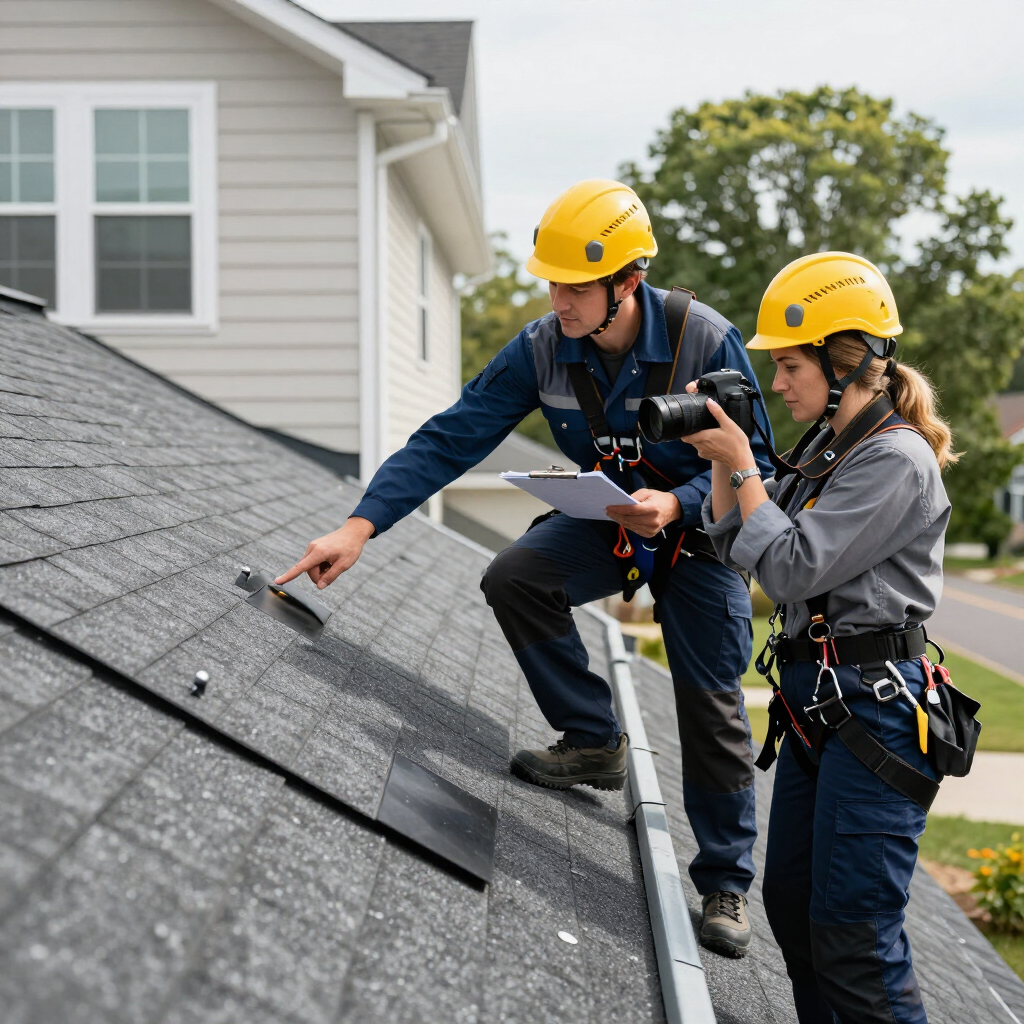
A roofing permit isn't closed until a Lakewood building inspector has reviewed the finished work and signed off. This isn't a formality. Inspectors know what they're looking for, and they will flag work that doesn't meet code.
What Lakewood Inspectors Check on a Roofing Job
- Underlayment installation — correct type, properly overlapped and fastened
- Ice-and-water barrier at eaves and valleys — correctly applied before shingles
- Flashing at all penetrations — chimneys, vents, skylights, and walls
- Ridge and eave details — starter course, ridge cap, and overhang dimensions
- Ventilation compliance — intake and exhaust balanced per code requirements
- Fastening patterns — nail placement and count per shingle manufacturer specs
Scheduling the inspection is done through the City of Lakewood Building & Safety Division. Most contractors handle this on behalf of the homeowner. If the inspection fails, the inspector will note what needs to be corrected. Once corrections are made, a re-inspection is required — and another fee may apply.
But skip the inspection entirely, and you have a bigger problem. An open permit with no final inspection can become a title issue when you sell the home. Buyers' lenders and title companies will flag it. You may have to hire a roofer to open up the roof so an inspector can verify the work after the fact — and that's expensive. The inspection step protects you.
Inspections go smoothly when the work is done right the first time — and that starts with who you hire.
Why Hiring a Licensed Roofing Contractor in Lakewood Matters for Permits
Colorado requires roofing contractors to hold a valid state registration through the Colorado Department of Regulatory Agencies (DORA). In Lakewood and many Front Range municipalities, local licensing requirements may apply on top of that. This isn't just paperwork. It's how the state tracks who is doing roofing work — and who is responsible when something goes wrong.
When a licensed contractor pulls the permit, they take on responsibility for the work meeting code. If no permit is pulled — or if the contractor asks you to pull it yourself — that responsibility falls on you. You become the contractor of record. And if your insurance company investigates a claim and finds that the work was done without a permit or by someone without a license, they may deny the claim entirely.
Questions to Ask Your Roofer About Permits Before You Sign
- Are you registered with the state of Colorado?
- Will you pull the permit, or are you asking me to?
- Do you carry liability insurance and workers' comp?
- Have you worked with Lakewood Building & Safety before?
- Will you schedule and attend the final inspection?
Watch for one red flag in particular: a contractor who says you don't need a permit, or who asks you to pull it. Both are warning signs. A roofer who doesn't want to pull a permit either isn't licensed, doesn't want a record of the work, or both.
We recently helped a Lakewood homeowner who was trying to sell their home. The roofer they'd hired two years earlier had finished the job but never closed the permit. The open permit showed up in the title search and threatened to stall the sale. We worked through the retroactive permit and inspection process so the transaction could move forward. It added time and cost that the homeowner hadn't planned for — all because the original contractor hadn't finished what they started.
A local roofer with real experience in Lakewood knows the Building & Safety staff, understands current processing timelines, and doesn't cut corners on permit work. That familiarity moves projects faster and avoids the kind of problems that come back to haunt you at closing.
Get a free estimate from an
experienced roofing contractor Lakewood CO
who knows the permit rules inside and out.
Frequently Asked Questions
Do I need a permit to replace my roof in Lakewood, CO?
Yes — a permit is required for any full roof replacement in Lakewood. The city also requires permits for partial replacements or repairs that affect more than 25% of the total roof area. Minor repairs below that threshold may not require a permit, but you should confirm with the Lakewood Building & Safety Division before starting work.
Who is responsible for pulling the roofing permit in Lakewood?
Your licensed roofing contractor should pull the permit. When a contractor pulls the permit, they take legal responsibility for the work meeting code. If a contractor asks you to pull it instead, treat that as a warning sign — it may mean they aren't properly licensed.
What happens if a roofer skips the permit in Lakewood?
Unpermitted roofing work can void your homeowner's insurance coverage if a claim is ever filed. It can also become a title issue when you sell — open or missing permits show up in title searches and can delay or kill a home sale. In some cases, you may have to pay for re-inspection or corrective work out of pocket.
How long does it take to get a roofing permit in Lakewood?
Standard processing through the Lakewood Permit Center typically takes several business days. Expedited review is available for an additional fee if you need a faster turnaround. Licensed contractors familiar with the portal can often move through the process more efficiently.
What building code does Lakewood, CO use for roofing?
Lakewood has adopted the International Residential Code (IRC) with Colorado state amendments. The code covers underlayment requirements, ice-and-water shield installation, fire rating standards, wind uplift specs, and ventilation requirements. Your roofing contractor should know these standards before they start work.
Can I do my own roofing in Lakewood, CO?
A homeowner can pull a permit and perform roofing work on their own primary residence in many cases. But you take on full legal and financial responsibility for the work meeting code — including passing the final inspection. If the work doesn't pass, the cost of corrections is yours. For most homeowners, hiring a licensed contractor is the lower-risk path.
Your roof is too important to leave to chance. Whether you need a quick repair or a full replacement, Lakewood Roofing delivers the expertise, care, and integrity you deserve. Schedule your free estimate today by visiting
lakewood-roofing.com or calling their friendly team.